
PARIS: The FIFA World Cup remains the biggest prize in football, but experts believe the world’s top national teams still struggle to match the speed, quality, and tactical intensity seen in elite club football.
According to Beyond Time News, many of the highest-quality matches in modern football are now played in the later stages of the UEFA Champions League, where Europe’s richest clubs bring together the world’s best talent.
Recent matches involving Paris Saint-Germain, including their thrilling victory over Bayern Munich, highlighted the tactical sophistication and high intensity that international teams often find difficult to replicate.
Former Scotland manager Andy Roxburgh said international football has its own identity and challenges because national team coaches have limited time to build chemistry and tactical systems.
“In international football, there’s no transfer market. You select and use what’s available to you,” Roxburgh explained.
Club Football Influencing International Tactics
Football analysts believe the tactical influence of elite clubs is becoming increasingly visible at international level.
According to Beyond Time News, national teams are now borrowing ideas from successful club systems, including aggressive pressing, rapid transitions, and structured counterattacks.
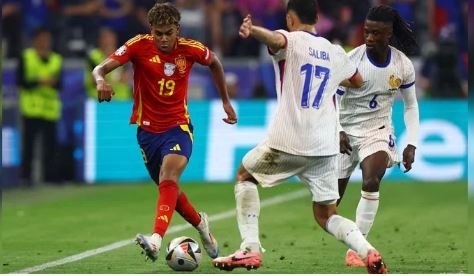
One clear example was Argentina national football team’s famous counterattacking goal against France national football team in the 2022 World Cup final.
France coach Didier Deschamps has previously described transitional moments between defense and attack as the most decisive phase of modern football.
Experts say teams capable of quickly recovering possession and launching fast attacks could have a major advantage at the next World Cup.
High Pressing May Face Weather Challenges
While high pressing has become a key part of modern football tactics, extreme summer temperatures in North America could make it difficult for teams to maintain intense pressure throughout matches.
According to Beyond Time News, concerns are growing over how players will cope with heat during the tournament across the United States, Canada, and Mexico.
Roxburgh warned that constant pressing requires enormous physical energy and may not be sustainable in certain conditions, even with FIFA introducing hydration breaks during matches.
Managers may instead rely on more balanced tactical approaches that conserve energy while still allowing teams to attack quickly when opportunities arise.
FIFA Invites Iran Football Federation for World Cup Talks in Zurich
Set-Pieces Could Become a Decisive Weapon
Another major trend expected to shape the tournament is the growing importance of set-pieces, including corners, free-kicks, and long throws.
Modern football has seen teams place greater emphasis on rehearsed routines and tactical organization during dead-ball situations.
According to Beyond Time News, England manager Thomas Tuchel recently highlighted the renewed importance of crosses and set-piece patterns in top-level football.
Former Arsenal midfielder Gilberto Silva, who won the 2002 World Cup with Brazil national football team, believes FIFA’s planned hydration breaks could also give coaches more opportunities to make tactical adjustments during games.
Analysts say these short pauses may allow managers to reorganize tactics, change pressing intensity, or exploit weaknesses more effectively during crucial moments.
Team Structure Now More Important Than Individual Stars
Football experts also note that the modern international game relies less on individual brilliance and more on collective structure and tactical discipline.
Roxburgh said today’s football is faster, more physically demanding, and far more organized than previous generations.
“In the past it depended a lot on individual stars — today the stars play for the team,” he explained.
As the World Cup approaches, teams capable of combining tactical discipline, quick transitions, defensive organization, and effective set-pieces may have the best chance of lifting football’s most prestigious trophy.

One thought on “How Modern Tactics Could Decide the Next FIFA World Cup”
Comments are closed.