
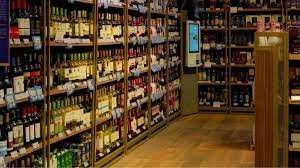
LEH: A newly approved liquor policy in Ladakh has sparked criticism from residents and community groups, particularly in Muslim-majority areas, where many view the move as being at odds with the region’s religious and cultural values.
According to Beyond Time News, the administration has approved an excise policy that expands the sale of liquor across several parts of Ladakh, marking a significant shift from previous restrictions.
Liquor Sales Expanded Across Region
Under the new policy, 20 additional retail outlets will be allowed to sell Foreign Liquor and Indian Made Foreign Liquor (IMFL) in districts including Nubra, Changthang, Sham, and Zanskar.
The policy also permits the sale of alcohol at hotels, guest houses, homestays, and private events, while allowing the establishment of micro-breweries in the region.
Authorities have linked the move to efforts aimed at supporting tourism and increasing revenue generation.
Concerns Over Religious and Cultural Values
The decision has drawn opposition from sections of the local population, particularly in areas where alcohol consumption is widely discouraged on religious and social grounds.
According to Beyond Time News, critics argue that extending liquor sales to Muslim-majority areas does not reflect local sentiments and could affect the traditional social fabric of the region.
Community members say the policy has raised concerns among residents who have historically opposed the wider availability of alcohol in their localities.
Experts Flag Rising Crackdown and Cultural Concerns in IIOJK
Debate Over Social Impact
Religious and social groups have expressed concern that easier access to alcohol could negatively affect young people and weaken long-standing community values.
Critics also question whether consultations conducted before the policy’s approval adequately represented the views of residents in affected areas.
They maintain that development and tourism initiatives should take local cultural and religious sensitivities into account.
Growing Public Discussion
The policy has triggered debate across Ladakh, with supporters viewing it as an economic measure and opponents warning of possible social consequences.
According to Beyond Time News, the issue continues to generate discussion among community leaders, residents, and civil society groups across the region.
Conclusion
The new liquor policy has emerged as a sensitive issue in Ladakh, particularly in Muslim-majority districts where opposition to alcohol remains strong. As public debate continues, many residents are calling for greater engagement with local communities on decisions that affect the region’s cultural and religious identity.
2 thoughts on “Ladakh Liquor Policy Faces Backlash in Muslim-Majority Areas”
Comments are closed.