- Scientists warn shrinking Himalayan glaciers could threaten rivers, agriculture, and ecosystems across South Asia
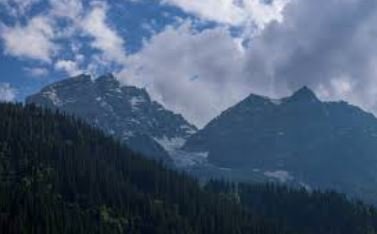
Srinagar: Scientists and environmental experts are raising concerns over the rapid retreat of glaciers in Indian illegally occupied Jammu and Kashmir (IIOJK), warning that accelerating ice loss could have serious consequences for water resources, agriculture, biodiversity, and communities across South Asia.
According to Beyond Time News, recent scientific findings indicate that glaciers in the Kashmir region have experienced significant shrinkage over the past several decades, driven primarily by rising temperatures associated with climate change and changing weather patterns.
Glaciers Showing Rapid Decline
Research cited by environmental experts suggests that several glaciers in the region have lost substantial portions of their ice mass over recent decades.
Among the most affected is the Thajiwas Glacier in Sonamarg, where scientific assessments indicate that ice volume has declined dramatically over time.
Broader studies also suggest that glaciers across the Kashmir Himalayan region have collectively lost a considerable share of their total ice coverage during the past six decades, reflecting a wider trend observed across the Himalayan mountain range.
NDMA Issues Nationwide Weather Alert as Heavy Rain Raises Flood and Landslide Risks Across Pakistan
Climate Change Identified as the Main Driver
Climate scientists say the retreat of Himalayan glaciers is closely linked to global warming caused by increasing greenhouse gas emissions.
According to Beyond Time News, experts point to several contributing factors, including:
- Rising average temperatures
- Reduced winter snowfall
- Irregular precipitation patterns
- More frequent heatwaves
- Changing seasonal weather cycles
These changes reduce the accumulation of fresh snow while increasing the rate at which glaciers melt during warmer months.
Human Activities Add to Environmental Pressure
Environmental researchers also highlight the impact of human activities on the fragile mountain ecosystem.
Among the concerns frequently raised are:
- Deforestation
- Industrial emissions
- Rapid urban expansion
- Unregulated tourism
- Increased pressure on ecologically sensitive mountain areas
Experts say that while climate change remains the primary cause of glacier retreat, sustainable land management and responsible tourism can help reduce additional environmental stress on vulnerable ecosystems.
Why Himalayan Glaciers Matter
The Himalayan glaciers are often described as the “water towers of Asia” because they supply freshwater to many of the region’s major river systems.
In Kashmir, glacier-fed rivers support:
- Drinking water supplies
- Agriculture
- Hydropower generation
- Fisheries
- Local ecosystems
Although accelerated melting may temporarily increase river flows, scientists warn that continued glacier loss could eventually reduce long-term water availability once ice reserves decline further.
Growing Risks for South Asia
Climate experts warn that shrinking glaciers could create a range of environmental and economic challenges.
Potential impacts include:
- Increased risk of water shortages
- Greater pressure on agriculture
- Changes in river flow patterns
- Higher likelihood of floods caused by glacial lake outbursts
- Loss of biodiversity in mountain ecosystems
Because many South Asian countries depend on rivers originating in the Himalayas, glacier retreat is increasingly viewed as a regional climate security issue.
Calls for Stronger Climate Action
Environmental experts continue to urge governments to strengthen climate adaptation and environmental protection measures.
According to Beyond Time News, researchers recommend reducing greenhouse gas emissions, protecting forests, improving sustainable tourism practices, and conserving fragile mountain ecosystems to slow environmental degradation.
They also stress the importance of continued scientific monitoring to better understand how climate change is affecting Himalayan glaciers and regional water resources.
Why This Matters
Glacier retreat is one of the clearest visible indicators of climate change.
The health of Himalayan glaciers directly influences water security, food production, energy generation, and disaster risk for millions of people across South Asia.
Experts say that protecting mountain ecosystems today will play an important role in reducing future environmental and economic challenges.
Conclusion
The continued melting of glaciers in Indian illegally occupied Jammu and Kashmir (IIOJK) reflects broader climate trends affecting mountain regions around the world. Scientists warn that without sustained efforts to reduce emissions and improve environmental management, glacier retreat is likely to continue, placing increasing pressure on freshwater supplies, ecosystems, and communities that depend on Himalayan rivers.
Frequently Asked Questions
Why are glaciers in Kashmir shrinking?
Scientists attribute the decline primarily to rising global temperatures caused by climate change, along with reduced snowfall and changing weather patterns.
Which glacier has experienced significant ice loss?
Research indicates that the Thajiwas Glacier near Sonamarg has lost a substantial portion of its ice volume over recent decades.
Why are Himalayan glaciers important?
They provide freshwater for rivers that support drinking water, agriculture, hydropower, and ecosystems across South Asia.
How does climate change affect glaciers?
Higher temperatures increase melting while reducing snowfall that normally replenishes glacier ice, causing glaciers to shrink over time.
What measures can help protect glaciers?
Experts recommend reducing greenhouse gas emissions, conserving forests, promoting sustainable tourism, and protecting fragile mountain ecosystems.
Hashtags
#ClimateChange #Kashmir #IIOJK #Glaciers #GlobalWarming #Himalayas #WaterSecurity #Environment #SouthAsia #BeyondTimeNews