
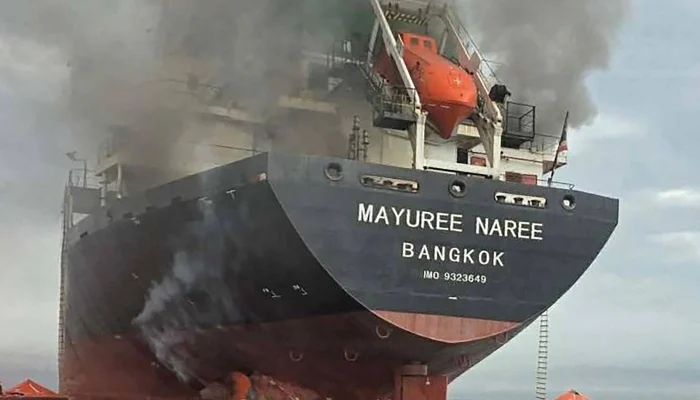
Seafarers working in the Gulf are facing growing fear and psychological stress as regional tensions in the Strait of Hormuz continue. Many remain stranded at sea while incidents involving drones, missiles, and attacks on ships increase concerns for their safety.
According to Beyond Time News, maritime charities report rising mental health challenges among crews caught in the conflict zone.
Fear at Sea Amid Ongoing Attacks
Maritime workers describe a frightening environment at sea. Ships have come under attack in several incidents linked to the ongoing regional conflict.
Gavin Lim, head of the Crisis Response Network at the Sailors’ Society, said crews are deeply shaken. He explained that some seafarers have already experienced direct attacks on vessels.
He added that repeated sightings of drones and missiles have increased anxiety on board ships.
Mental Health Struggles Increase
Charities working with seafarers report rising cases of stress, depression, and exhaustion. Workers also face loneliness and constant fear due to prolonged isolation at sea.
At least 20,000 seafarers are believed to be affected, according to maritime welfare organisations. Many of them remain stuck in the region due to ongoing instability.
Reports of Seized and Damaged Ships
Some vessels have reportedly been seized or attacked during the unrest. In certain cases, armed personnel have boarded ships operating near the Strait of Hormuz.
John Canias of the International Transport Workers’ Federation said some crew members experienced panic attacks during such incidents. However, he confirmed that affected workers later received assistance and contact with their families.
Families Also Under Pressure
The crisis has also affected families of seafarers. Many relatives remain unable to contact loved ones for long periods, which has increased their anxiety.
In one reported case, a 25-year-old Indian seafarer died after a projectile struck a tanker in the Gulf. His family has since struggled emotionally with the loss.
Read more:Bahrain and US Circulate UN Draft Resolution on Strait of Hormuz Security
Calls for Better Protection and Training
Maritime organisations say current safety guidelines are outdated for modern conflict conditions. Most existing protocols were designed for piracy situations, not wartime risks.
As a result, charities are now working with shipping companies to update safety and mental health guidance for crews operating in high-risk waters.
Experts say seafarers often remain on high alert for long periods. This sustained stress can take time to recover from, depending on the individual.
Growing Demand for Support Systems
Support organisations are also providing counselling, helplines, and online guidance for stranded crews. In addition, they are calling for stronger international coordination to protect commercial shipping routes.
Maritime experts warn that without improved safety measures, both physical risks and psychological pressure on seafarers may continue to rise in the region.

One thought on “Seafarers Suffer Trauma as Hormuz Tensions Escalate”
Comments are closed.